Healthy Chipotle Bowl: The Best Order According to Registered Dietitians


Key Takeaways
- Best Chipotle bowl order: Start with a greens or brown rice base, add a lean protein like chicken or steak, load up on fajita vegetables, and use guacamole strategically while limiting cheese and sour cream.
- High protein bowl nutrition: A combination of chicken (32g) or steak (30g) with black or pinto beans (8g) delivers over 40 grams of protein per bowl to support satiety and muscle maintenance.
- Low calorie Chipotle bowl: The lowest calorie option is a salad bowl with chicken, lots of fajita vegetables, and fresh salsa, which provides a nutrient-dense meal for around 300 to 400 calories.
- Best Chipotle bowl order: Start with a greens or brown rice base, add a lean protein like chicken or steak, load up on fajita vegetables, and use guacamole strategically while limiting cheese and sour cream.
- High protein bowl nutrition: A combination of chicken (32g) or steak (30g) with black or pinto beans (8g) delivers over 40 grams of protein per bowl to support satiety and muscle maintenance.
- Low calorie Chipotle bowl: The lowest calorie option is a salad bowl with chicken, lots of fajita vegetables, and fresh salsa, which provides a nutrient-dense meal for around 300 to 400 calories.
Break Your
Weight Loss Barrier
Download our FREE guide to find out:
- Reasons you’re not losing weight
- The role of blood glucose on weight loss
- Why you need a personalized approach
- Helpful tips from expert dietitians

In a world where fast food and health often clash, navigating the menus of popular chain restaurants can be a real challenge. One option that stands out as a potential healthy meal choice is the Mexican-inspired Chipotle bowl.
Chipotle has long been known as a pioneer in fast food–opting for all natural ingredients that are often locally sourced. Even so, however, figuring out the best way to order for your nutritional needs can be tricky.
So, is Chipotle really a healthy option? Let’s explore the various protein and fiber-rich additions, the potential calorie pitfalls, and a few nutritionist tips for ordering a nutritious Chipotle bowl that not only tastes delicious, but also aligns with your health and wellness goals.
Can a Chipotle Bowl Be Healthy?
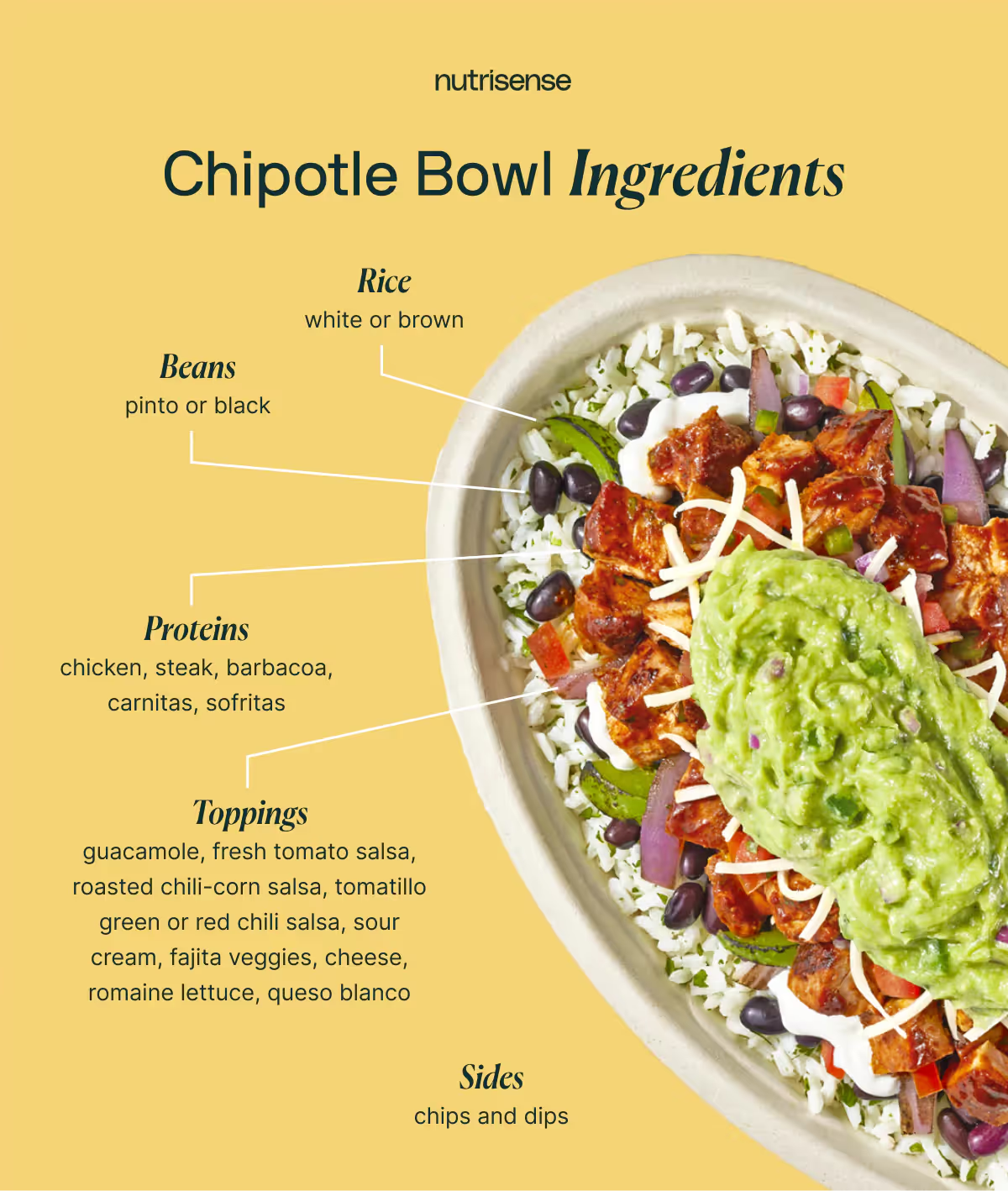
Absolutely, a Chipotle bowl can indeed be a healthy and satisfying choice, provided you approach your order with a mindful view. The beauty of Chipotle lies in its customizable menu, which can allow you to easily tailor your bowl to align with your nutritional goals.
However, the key to maintaining a healthy Chipotle bowl lies in mastering portion control. It's easy to get carried away with generous scoops of rice or extra cheese, but being mindful of serving sizes is crucial for calorie management.
By making informed choices and balancing flavors, you can craft a healthy burrito bowl that is high in protein, fiber, vitamins, and minerals.
Healthy Base Options
At Chipotle, the foundation of your meal is a critical starting point. The classic choice of cilantro lime rice offers a quick source of energy, but is relatively lower in fiber compared to its counterpart, brown rice.
Brown rice not only boasts a higher fiber content but also provides more sustained energy, making it a favorable option for those prioritizing satiety and digestive health. For a lighter and low-carb alternative, you may consider opting for a nutrient-dense bed of salad greens.
Protein Choices
When it comes to protein choices at Chipotle, it's important to consider factors such as fat content, protein content, and overall caloric intake.
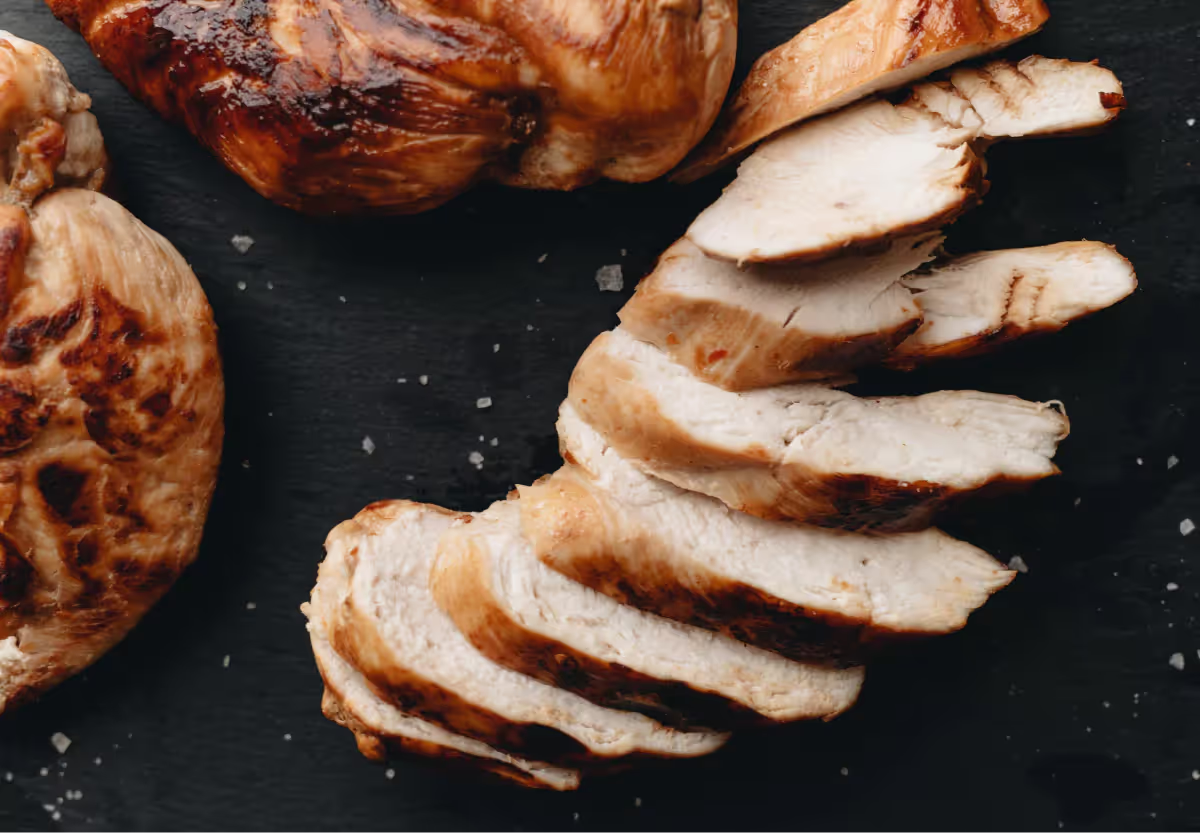
Grilled chicken breast stands out as a lean and versatile option, providing the highest amount of high-quality protein of the protein options on the menu. Steak is another great option that offers a rich flavor profile and a substantial protein boost.
For those leaning towards a plant-based alternative, sofritas, made from seasoned tofu, are another option suitable for vegetarians and vegans. Additionally, opting for beans adds a protein punch and can help increase your plant-based protein intake, though they are also higher in carbs.
Best and Worst Chipotle Toppings
Finally, the toppings you choose can play a crucial role in determining the nutritional value of your meal. Opting for fresh and nutrient-packed toppings can enhance flavor without compromising your health goals. Chipotle toppings include foods such as:
- Grilled fajita veggies
- Guacamole
- Fresh tomato salsa
- Roasted chili-corn salsa
- Sour cream
- Cheese
- Romaine lettuce
- Queso blanco
- Cilantro lime chips
Among the best choices for overall health are the vibrant array of veggies, which contribute essential nutrients such as vitamin A and vitamin C, and also add satisfying crunch and texture.
Guacamole, made from avocados, offers heart-healthy fats and gut-supporting fiber content, making it a favorable choice in moderation. It’s important to consider, however, one serving of guac contains 22 grams of fat according to Chipotle’s website.
It's also wise to exercise caution with certain toppings that can quickly escalate calorie and sodium counts. Sour cream, cheese, and queso, while delicious, can contribute to excess saturated fat and calories.
Balancing your choices by incorporating the best toppings in moderation and being mindful of less healthful options allows you to enjoy a flavorful Chipotle bowl without compromising your nutritional goals.
Special Dietary Considerations
The customizable nature of Chipotle’s menu makes it a convenient option for various needs. For those following a gluten-free diet, opting for your burrito bowl of choice (with no flour tortilla) will be free of gluten.
Vegetarians can opt for plant-based protein sources like sofritas or black beans, while vegans can customize their bowls by excluding dairy-based toppings and choosing plant-based options.
3 Healthy Chipotle Orders For Different Goals
Now that we’ve gone through the various ingredients at Chipotle, here are some healthy Chipotle bowl combinations recommended by our nutrition team for different health goals.
You can also explore more combinations of your own on Chipotle’s handy nutrition calculator!
1) High-Protein Chicken Bowl
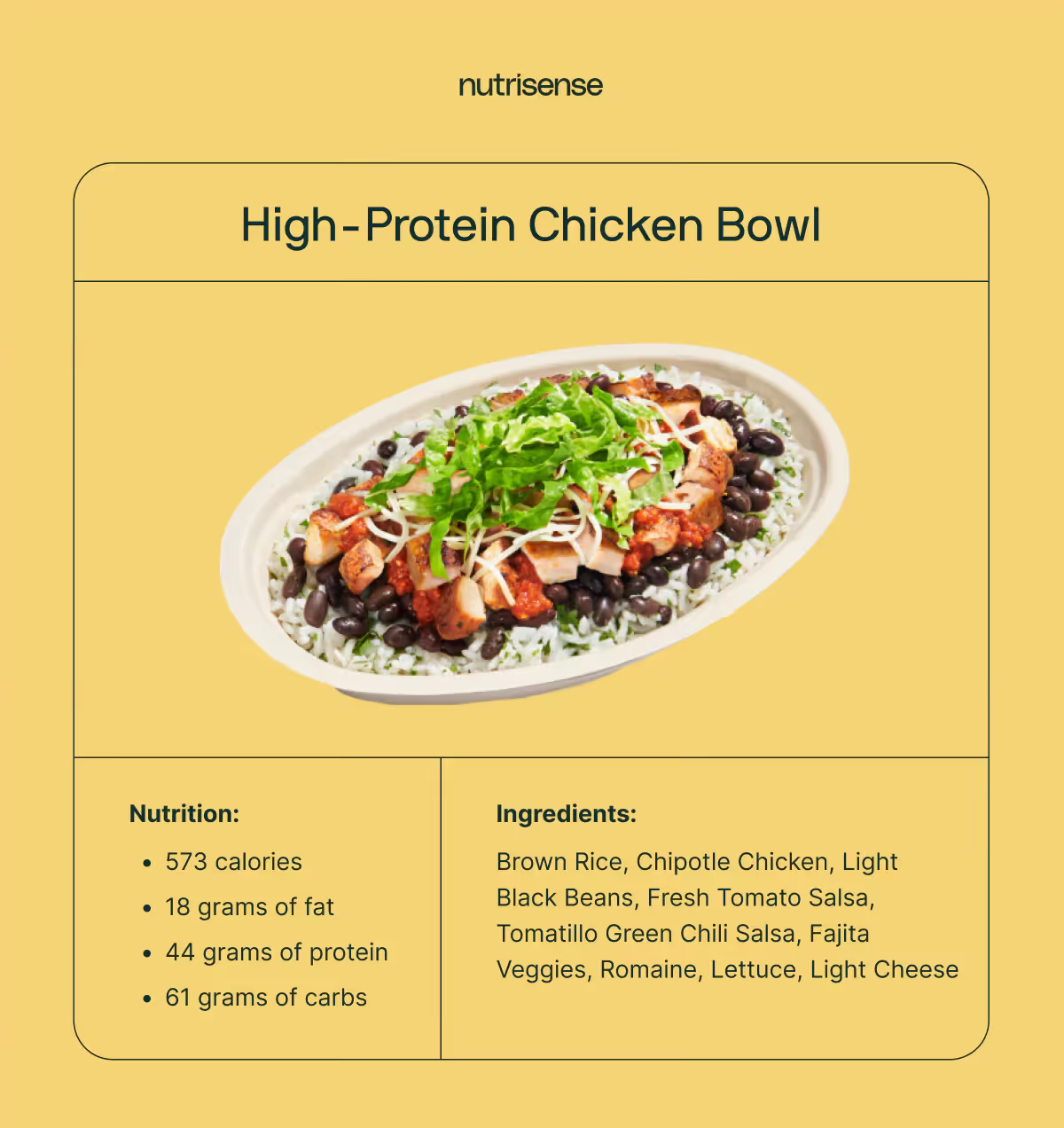
Ingredients
- Chipotle Chicken
- Brown Rice
- Light Black Beans
- Fresh Tomato Salsa
- Tomatillo Green Chili Salsa
- Fajita Veggies
- Romaine Lettuce
- Light Cheese
For those focused on muscle gain, crafting a high-protein bowl at Chipotle can be a delicious and effective way to meet your nutritional needs. Here’s an example of a healthy protein-packed meal from Chipotle from Nutrisense nutritionist Victoria Eaton, RDN, LDN, IFNCP
“A base of nutrient-dense brown rice to provide complex carbohydrates and fiber for sustained energy, which can be great after a workout. Opt for a generous serving of lean chicken, which is a prime source of high-quality protein essential for muscle development and repair.
The fajita veggies add vitamins and minerals, and a light serving of black beans can also provide additional carbs, protein, and fiber. Consider skipping high-calorie toppings like sour cream and cheese, opting instead for romaine lettuce, fresh pico de gallo and salsa to enhance flavor without compromising on nutrition.”
A thoughtfully curated high-protein bowl like this one not only satisfies your taste buds but can also provide the nutrients necessary to support your muscle gain goals.
2) Paleo Steak Salad Bowl
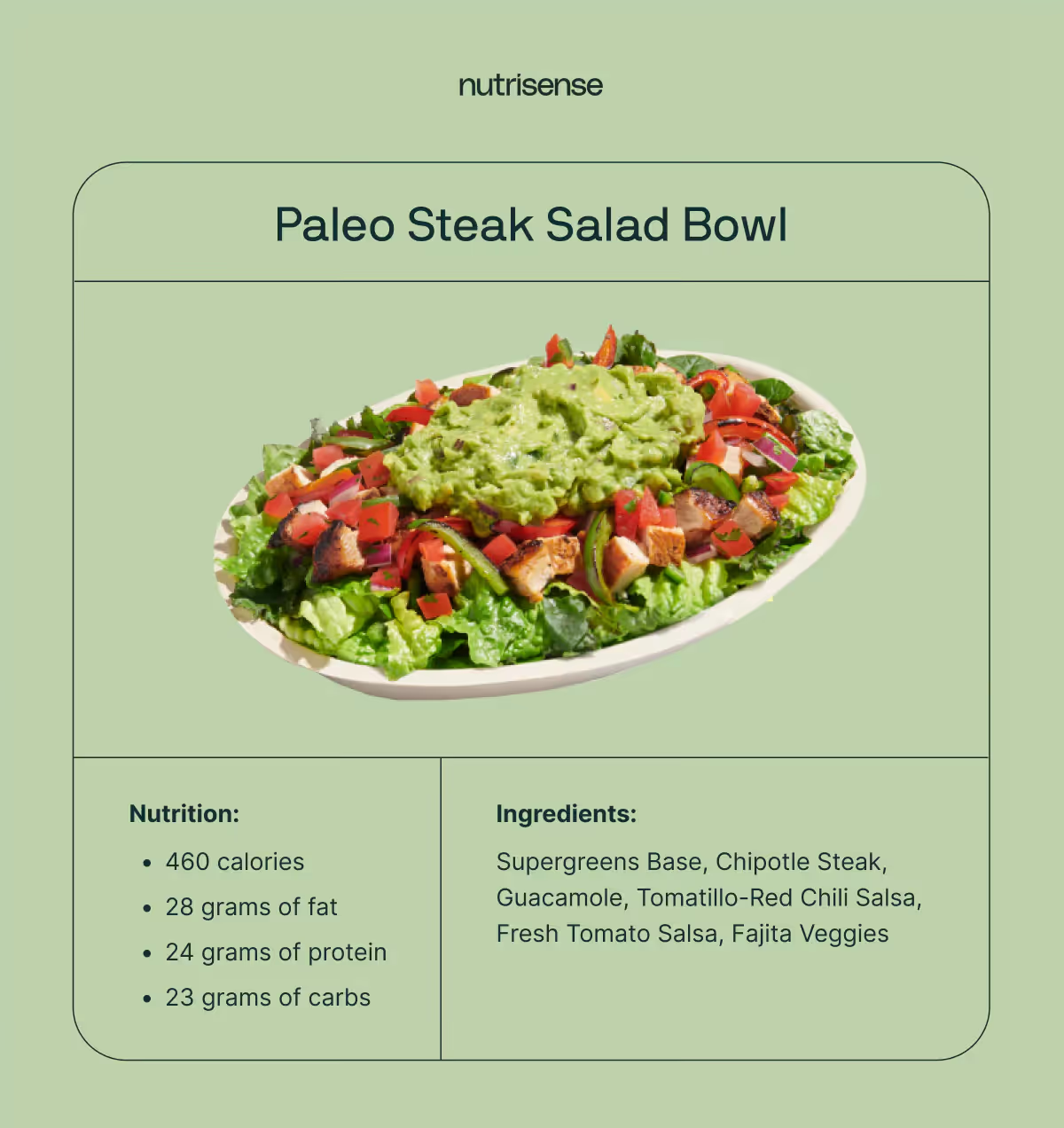
Ingredients
- Chipotle Steak
- Supergreens Base
- Guacamole
- Tomatillo-Red Chili Salsa
- Fresh Tomato Salsa
- Fajita veggies
Crafting a salad bowl at Chipotle can be a smart and satisfying lower-calorie choice for those aiming for weight loss. Here’s Nutrisense nutritionist Emma Simpkins, MS, RDN's favorite salad bowl order:
“A Chipotle salad bowl can easily be a great lower-calorie option if you’re looking for a lighter meal. Start with a base of crisp and nutrient-packed salad greens and add steak as your protein source.
Load up on the veggies to add bulk, fiber, and essential vitamins without significantly impacting calorie intake. Top it off with a dollop of guacamole for healthy fats, contributing to both taste and to keep you feeling satiated!”
This Chipotle salad bowl can not only help support your weight loss goals but it also follows the paleo diet, is glucose-friendly, and ensures a delicious and nutritious dining experience.
3) Low-Carb Keto Salad Bowl
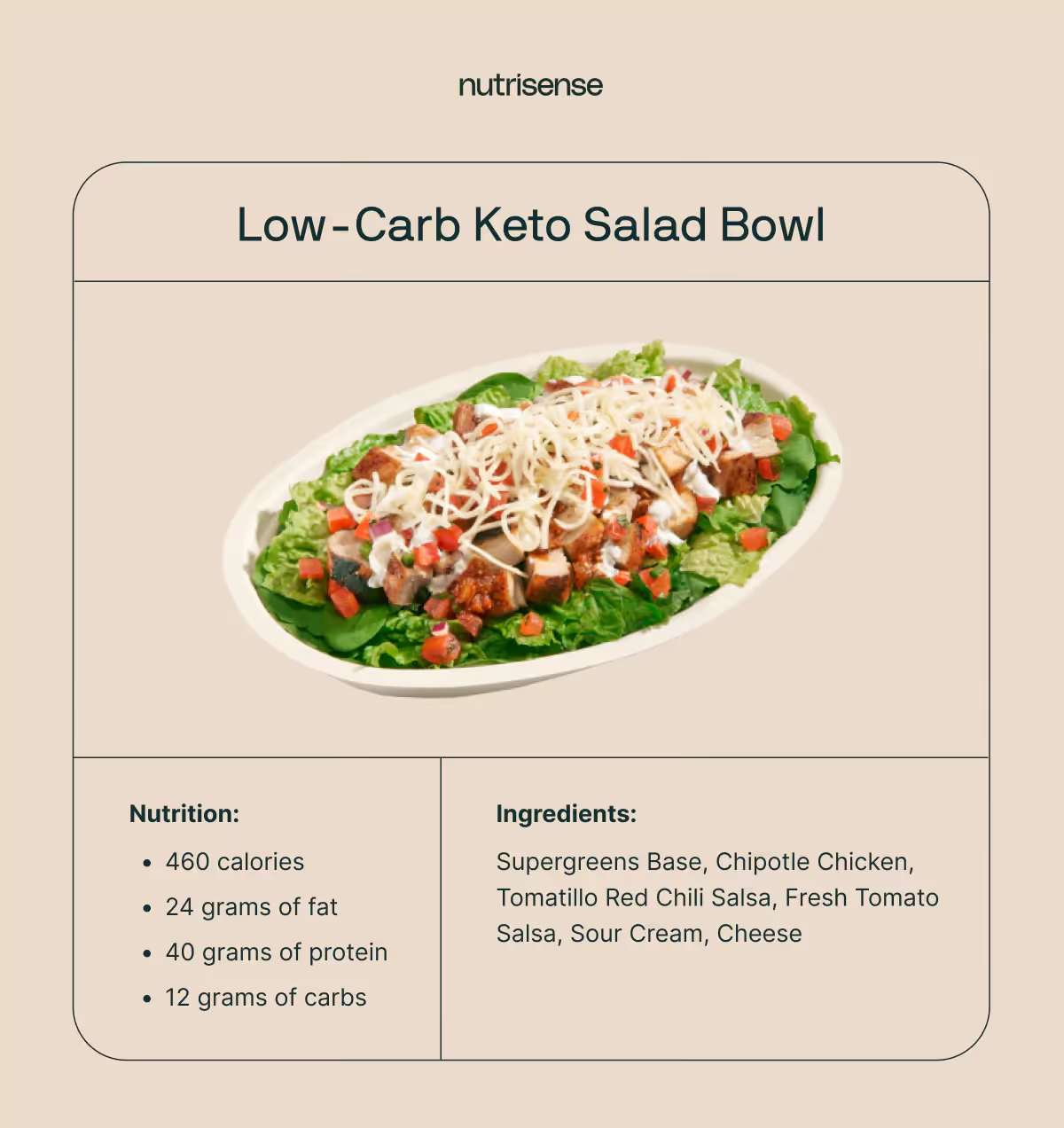
Ingredients
- Supergreens Base
- Chipotle Chicken
- Tomatillo Red Chili Salsa
- Fresh Tomato Salsa
- Sour cream
- Cheese
The keto salad bowl from Chipotle is a lifestyle bowl option designed for those following a low-carb ketogenic diet. Here’s a keto-friendly option recommended by Nutrisense nutritionist Amanda Donahue, MS, RD, CD:
“Start off with a base of supergreens, and then add grilled chicken and salsa, which adds a burst of freshness and flavor without compromising on carb restrictions.
Finally, top off your bowl with sour cream and cheese, which add richness, texture, and a source of fats. This well-balanced combination allows keto enthusiasts to indulge in a glucose-friendly bowl that aligns with their dietary goals.”
Is Chipotle Healthy When Trying to Lose Weight?
The answer is yes! Chipotle can be a healthy option when trying to lose weight, provided you make mindful choices while customizing your order. As we’ve outlined throughout this article, the key lies in opting for nutrient-dense ingredients and controlling portion sizes.
It's easy to unintentionally create a high-calorie meal by adding extra servings of rice, beans, or calorie-dense toppings. For example, which ingredients like guacamole offer healthy fats, and black beans contribute fiber and protein, you’ll still want to be mindful of quantities to avoid exceeding your calorie goals.
Being mindful of overall caloric intake, making balanced choices, and avoiding excessive add-ons can allow you to enjoy a flavorful and nutritious meal while supporting your weight loss goals.
Break Your
Weight Loss Barrier
Download our FREE guide to find out:
- Reasons you’re not losing weight
- The role of blood glucose on weight loss
- Why you need a personalized approach
- Helpful tips from expert dietitians
Frequently Asked Questions
How many calories are in a Chipotle bowl?
Chipotle bowl calories typically range from 300 to over 1,200 depending on your ingredient choices. A basic bowl with chicken, brown rice, black beans, fajita vegetables, and salsa averages 600 to 650 calories. Adding calorie-dense toppings like guacamole, cheese, and sour cream will significantly increase the total calorie count.
Is Chipotle good for weight loss?
Yes, Chipotle can support weight loss when you make strategic portion choices. Building a balanced bowl with a greens base, lean protein, and plenty of fajita vegetables provides satisfying volume with minimal calories. Tracking your individual glucose response can reveal whether these combinations keep your energy stable and reduce post-meal cravings.
Is Chipotle guacamole healthy?
Yes, Chipotle guacamole is a healthy source of monounsaturated fats and fiber. Made primarily from avocados, it supports heart health and promotes satiety, though it does contain about 230 calories per serving. Using it as your primary fat source instead of stacking it with cheese and sour cream is an excellent strategy for a balanced meal.
Is Chipotle fattening?
It depends entirely on how you build your order. A basic bowl with lean protein and vegetables is nutrient-dense, but adding multiple high-fat toppings like double meat, cheese, sour cream, and queso can easily push a single meal over 1,200 calories. To support your metabolic health, prioritize fiber-rich bases and use calorie-dense toppings sparingly.
What is a Chipotle lifestyle bowl?
Chipotle lifestyle bowls are pre-configured menu options designed to fit specific dietary frameworks. These include combinations tailored for Paleo, Keto, Whole30, and high-protein diets, removing the guesswork from ordering. They offer a convenient way to stay aligned with your nutritional goals, though you can also customize any standard bowl to meet these same requirements.
Go Beyond Glucose Data with Nutrisense
Your glucose can significantly impact how your body feels and functions. That’s why stable levels are an important factor in supporting overall wellbeing. But viewing glucose isn't enough. Nutrisense, you’ll be able to learn how to use your body's data to make informed lifestyle choices that support healthy living.
One-to-one coaching
Sign up to access insurance-covered video calls to work with a glucose expert: a personal registered dietitian or certified nutritionist who will help tailor your lifestyle and diet to your goals.
Monitor and measure what matters
With the Nutrisense CGM Program, you can monitor your glucose with health tech like glucose biosensors and continuous glucose monitor (CGM)s, and analyze the trends over time with the Nutrisense App. This will help you make the most informed choices about the foods you consume and their impact on your health.
Find your best fit
Ready to take the first step? Start with our quiz to find the right Nutrisense program to help you take control.

Victoria began her career in the functional medicine space in 2015. She has extensive experience interpreting labs and supporting weight loss, gut imbalances, and chronic migraines. She received her Bachelor of Science degree in nutrition and dietetics from Missouri State University.
Break Your
Weight Loss Barrier
Download our FREE guide to find out:
- Reasons you’re not losing weight
- The role of blood glucose on weight loss
- Why you need a personalized approach
- Helpful tips from expert dietitians