What’s Stopping You From Losing Weight?



Key Takeaways
- Weight loss plateau causes: A plateau occurs when your body adapts to a lower calorie intake by naturally slowing its metabolic rate to resist further change.
- Initial weight loss and glycogen: The rapid drop you see in the first week is mostly water weight, which is released as your body burns through its glycogen stores.
- What is blocking weight loss: High cortisol levels from chronic stress and a lack of sleep can increase body fat storage and stall your progress.
- Weight loss plateau causes: A plateau occurs when your body adapts to a lower calorie intake by naturally slowing its metabolic rate to resist further change.
- Initial weight loss and glycogen: The rapid drop you see in the first week is mostly water weight, which is released as your body burns through its glycogen stores.
- What is blocking weight loss: High cortisol levels from chronic stress and a lack of sleep can increase body fat storage and stall your progress.
Break Your
Weight Loss Barrier
Download our FREE guide to find out:
- Reasons you’re not losing weight
- The role of blood glucose on weight loss
- Why you need a personalized approach
- Helpful tips from expert dietitians

A weight loss plateau is often caused by metabolic changes, not a failure of willpower. Learning how your body responds to food, stress, and exercise helps you break through and build habits that last. Build habits that stick with data plus coaching.
Key Points:
- Weight loss can trigger metabolic compensation, where your body naturally resists change by slowing its metabolism.
- Learn how to adjust your diet, exercise, and stress levels to move past a weight loss stall.
- The Nutrisense program includes dietitian support, and video calls may be covered by your insurance.
Why Progress Slows and How to Restart It
Do you have trouble losing weight, no matter how hard you try to shed those unwanted pounds? Are you changing everything from your eating habits to your lifestyle, but not seeing the weight loss results you hope to? If it exists at all, the ‘ideal’ body weight will differ depending on a variety of factors, and all weight gain isn’t a bad thing.
Still, you may want to lose weight for several reasons. Perhaps you’re dealing with weight gain issues like overeating or obesity, or you’re aiming to reach a healthy weight suggested by a healthcare professional. Whatever your reasons are, weight loss can be a challenging journey. And if your target weight continues to elude you regardless of a healthy diet and exercise routine, it can be frustrating and discouraging.
What Might Be Blocking Results
Since weight loss is a challenge for many people, it’s normal not to immediately see the results you want (or expect to) see. While this can be frustrating, you can’t always see the short-term effects of a weight loss program as quickly as you’d like. But if you’re doing everything by the book and still not losing weight, you may want to consider if there’s anything that may be stopping you from reaching your weight loss goals.
Maybe you’re making breakfast mistakes like eating processed foods or starting your meal with a cup of coffee that’s more cream and sugar than coffee. Perhaps you need to work with a dietitian to ensure your intermittent fasting plan is on track.
Maybe you need to ensure you’re not lowering your calorie intake low enough to be undereating, which may even lead to weight gain! Or, you may need to focus more on things like glucose instead of simply eating fewer calories in a bid to lose weight.
By understanding what a weight loss plateau is, what causes it, and how to begin getting over the hump, you can get back on track to reaching your goals. Read on to learn more.
What is a Weight Loss Plateau?

If you've suddenly stopped losing weight, you've probably reached a weight loss plateau. This is a point in your weight loss journey where the weight stops dropping, no matter what you do. It sounds scary, but a weight loss plateau is simply part of the weight loss journey for some.
Achieving your weight loss goals can be challenging at best, so if you're experiencing this, being told you've hit a plateau is likely not the best news. And if you’ve already come a long way, it can be incredibly disheartening to hit a plateau.
When It Appears
It usually happens just after you shed the initial few pounds, and these plateaus may last a few days, a couple of weeks, or even a few months in some cases. But don’t panic, it can happen to anyone, even athletes! Instead of giving up altogether, consider taking a minute to find out why you're hitting this roadblock, and what you can do to move past it.
Why Am I Hitting a Weight Loss Plateau?
If you experience a plateau during your weight loss journey, you may wonder what’s causing it. There are many different reasons for weight loss plateaus. When you initially begin to lose weight, you will probably be cutting the number of calories you eat in a day. This sudden low-calorie diet can prompt your body to start getting the energy it needs by using the glycogen stores that it has saved.

Hitting the Invisible Wall
You step on the scale, holding your breath. After a week of diligently tracking meals, hitting your step goals, and skipping your usual glass of wine with dinner, the number is exactly the same. The frustration is immediate. You've done everything right, yet it feels like your body is working against you, stubbornly holding on to every pound.
It can feel like you’ve hit an invisible wall, and it’s natural to wonder if your efforts are even worth it. As one member shares, “I'm thrilled that Michael has helped me break through the weight loss plateau that I was experiencing. That set my motivation through the roof.”
Glycogen and Water
Glycogen is a carbohydrate in your liver and muscles. When your body uses glycogen, you lose water weight as the glycogen starts releasing water. It’s temporary, so you may see a very high amount of weight shed during the initial stages of your weight loss journey.
Fat Loss And Muscle
As your body begins burning through its glycogen stores and losing water, it will start burning fat too. Along with this fat burn, you will also lose some muscle mass, especially if you aren’t exercising when your body begins to burn through glycogen stores, or you’re not getting enough protein.
But what if you want to keep losing weight consistently to meet your weight loss goals? Here are some tips to help you out.
Begin Exercising or Increase Your Exercise Intensity

- As you begin losing weight, your metabolism slows down. As your metabolic rate starts to reduce, weight loss begins to plateau. The silver lining here is that as you lose weight, physical activity becomes easier. Adding an exercise regimen to your routine can help offset the drop in your metabolic rate.
- If you already have an exercise routine, consider adding an extra one to two days a week or increasing the intensity of your workouts to re-energize your metabolism.
- Focus your added workouts on retaining muscle mass. Some great ways to do this are focusing on resistance training, strength training, high-intensity interval training, and aerobic exercise. The more muscle mass you add or retain, the higher your metabolic rate.
Cut Back on Carbohydrates

- Research has shown that lower-carbohydrate diets are more effective for weight loss than diets high in simple and processed carbohydrates. Reducing the number of carbs in your diet may help your body kick-start its way back into weight loss.
- Diets that cut out carbohydrates may reduce hunger, promote fullness, and produce ketones. Ketones may also help with reductions in appetite.
- Remember that simply cutting out carbohydrates isn't a good idea because, in doing so, we may also cut out important micronutrients such as vitamins and minerals. Even reducing the carbohydrate amount in your diet may not be the right move for everyone, so work with a dietitian to see if this is a good option for you.
Cut Back on Stress

High levels of stress can reduce or stop any progress you may have made on your weight loss journey. Here’s why: when you’re hungry, your body releases cortisol to tell you that you need to eat.
Cortisol is a stress hormone (anyone else “stress-eat”?!). Prolonged stress can cause high cortisol release, resulting in increased body fat storage.
Reduce Your Alcohol Intake

If you drink too much alcohol too regularly, it may be working against your efforts to lose weight. Some alcoholic drinks are high in carbohydrates and sugar. There have been links between alcohol and belly fat accumulation, and it may also prevent fat burning for some people.
- Alcohol also lowers your inhibitions, which may cause you to make poor food choices after you drink it.
- Some alcohol can be full of empty calories, so pick and choose when you indulge while you’re trying to lose weight.
- If you do decide to indulge in an alcoholic beverage, opt for clear liquors with non-sugary mixers like club soda and citrus. These drinks are often lower in sugar and carbohydrate content.
Get More Fiber In Your Diet

Fiber, especially soluble fiber, plays a vital role in weight loss. Soluble fiber slows down the progress of food in your digestive system, which will leave you feeling full and satisfied for longer after eating.
Fiber may also decrease the number of calories that your body absorbs from foods as it binds with the food in your gut.
Make Hydration Count

Hydration is vital to focus on when discussing weight loss. Staying hydrated will help with digestion, stress levels, and sleep.
Your body may sometimes mistake dehydration or thirst for hunger. Staying hydrated is an excellent way to gauge whether you have eaten enough or not.
Get Enough Sleep

Sleep plays a significant role in many aspects of your life. It’s vital for energy levels, mental health, emotional health, and physical health. When you do not get enough sleep, your metabolic rate reduces because your body needs more energy. It then begins to store fat.
Make sure that you are getting an average of seven to eight hours of sleep per night. Try to stick to a regular sleeping schedule so that your body can adjust to a healthy rhythm of rest and recovery.
Track Progress Beyond the Scale
If the scale stalls, use a few extra markers so you do not miss the changes your body is making. Pair these with 24/7 data and logging in the Nutrisense App to keep a clearer picture week to week.
- Waist circumference: Measure the same spot at the navel once per week before breakfast and focus on the 4-week trend.
- Body recomposition: If you track body fat percentage, use the same method and time of day each time. Small shifts in fat and muscle can cancel each other out on the scale.
- Progress photos and fit: Take monthly front, side, and back photos and note how your favorite clothes fit.
- Performance markers: Log weights, reps, distance, or pace to capture strength and cardio gains during a plateau.
- Glucose patterns and meals: Log meals and scan your biosensor to view 24/7 glucose measured in interstitial fluid, then adjust portions, protein, fiber, or timing with a dietitian. See the Nutrisense App.
What Other Factors Can Stall Progress?
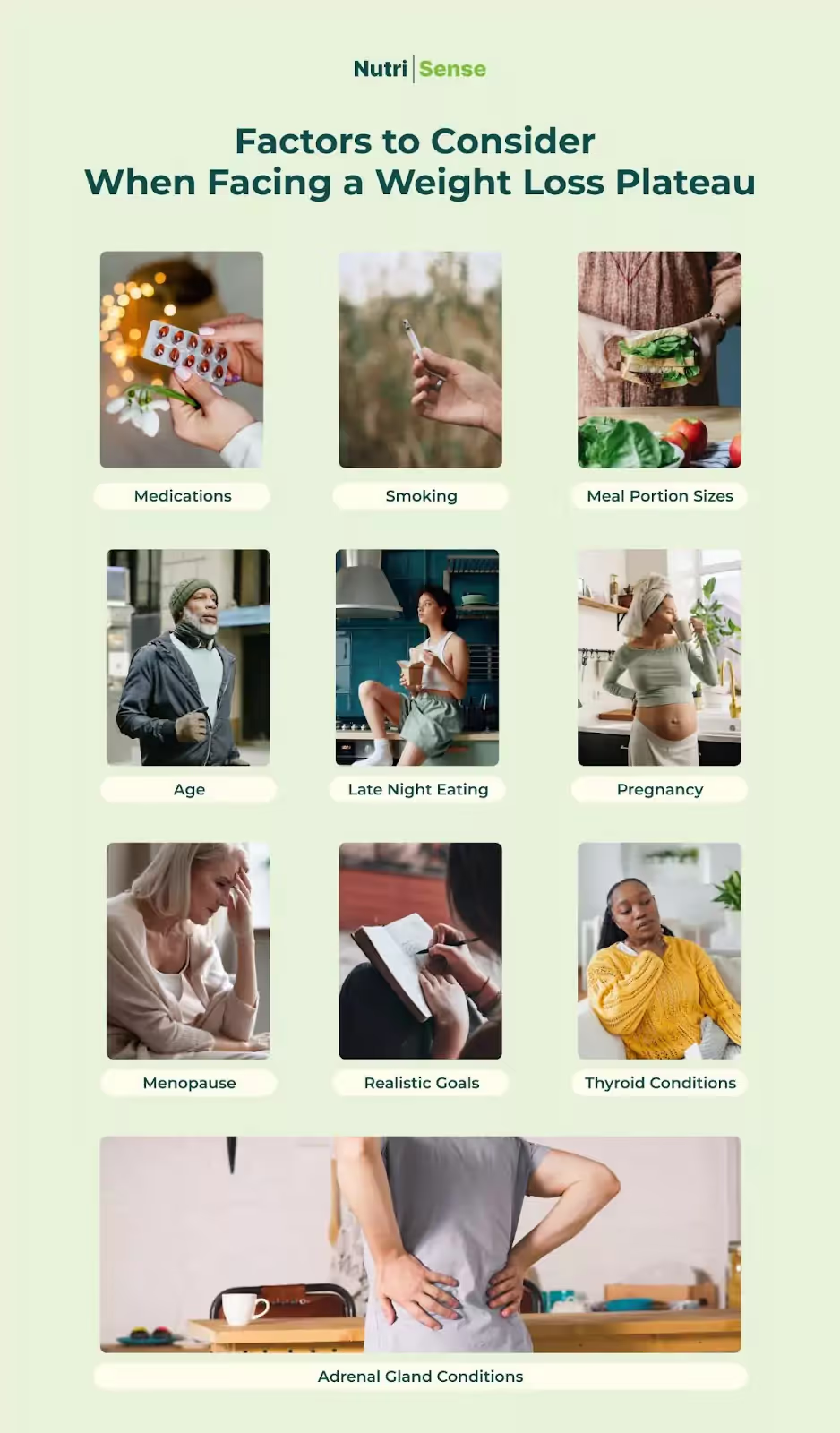
If you’re demoralized because you’ve hit a weight loss plateau, remember that they’re a normal part of the process. Before starting any new weight loss plans, examine your goals carefully. You should set realistic ones.
It can be helpful to talk to a dietitian or doctor about setting realistic goals over time regarding your weight. Losing too much weight too fast can be unhealthy, too. It’s essential to pursue your weight loss plan with patience and understanding.
Break Your
Weight Loss Barrier
Download our FREE guide to find out:
- Reasons you’re not losing weight
- The role of blood glucose on weight loss
- Why you need a personalized approach
- Helpful tips from expert dietitians
Frequently Asked Questions
Why have I suddenly stopped losing weight?
You have likely hit a metabolic plateau. As you lose mass, your body naturally slows its metabolic rate to conserve energy, which stops weight loss even if you haven't changed your diet. Adjusting your macronutrients or exercise routine can help you break through.
What is blocking my weight loss?
Stress, poor sleep, and low fiber intake can all block progress. High cortisol levels from stress prompt your body to store fat, while poor sleep reduces your metabolic rate. Tracking your individual glucose response can reveal which of these lifestyle factors are currently impacting your progress.
Why can't I lose weight no matter what I do?
You may be losing fat but retaining water or gaining muscle. If you recently started exercising, increased muscle mass can offset fat loss on the scale. Track your waist circumference and how your clothes fit to measure true body recomposition.
Go Beyond Glucose Data with Nutrisense
Your glucose can significantly impact how your body feels and functions. That’s why stable levels are an important factor in supporting overall wellbeing. But viewing glucose isn't enough. Nutrisense, you’ll be able to learn how to use your body's data to make informed lifestyle choices that support healthy living.
One-to-one coaching
Sign up to access insurance-covered video calls to work with a glucose expert: a personal registered dietitian or certified nutritionist who will help tailor your lifestyle and diet to your goals.
Monitor and measure what matters
With the Nutrisense CGM Program, you can monitor your glucose with health tech like glucose biosensors and continuous glucose monitor (CGM)s, and analyze the trends over time with the Nutrisense App. This will help you make the most informed choices about the foods you consume and their impact on your health.
Find your best fit
Ready to take the first step? Start with our quiz to find the right Nutrisense program to help you take control.
How Can Nutrisense Help You Use Glucose Insights?
Your glucose can significantly impact how your body feels and functions. That’s why stable levels are an important factor in supporting overall wellbeing. But viewing glucose isn't enough. With Nutrisense, you’ll be able to learn how to use your body's data to make informed lifestyle choices that support healthy living.
Work With A Dietitian
Sign up to access insurance-covered video calls with a glucose expert: a personal registered dietitian or certified nutritionist who will help tailor your lifestyle and diet to your goals.
Track And Analyze Data
With the Nutrisense Program, you can monitor your glucose with health tech like glucose biosensors and continuous glucose monitors (CGMs), and analyze the trends over time with the Nutrisense App. This will help you make the most informed choices about the foods you consume and their impact on your health.
Start Your Quiz
Ready to take the first step? Take our quiz to find the right Nutrisense program to help you take control.
Katie is a dietitian at Nutrisense. With over 11 years of experience as a dietitian in many areas of nutrition, Katie has worked as a clinical dietitian within a hospital, as well as in the fields of diabetes, sports and performance nutrition, recovery from addiction, and general wellness. She’s also an athlete and has run 8 marathons, including the Boston Marathon.
Break Your
Weight Loss Barrier
Download our FREE guide to find out:
- Reasons you’re not losing weight
- The role of blood glucose on weight loss
- Why you need a personalized approach
- Helpful tips from expert dietitians