Holiday Health Hangover Meaning: Symptoms and Recovery Tips



Key Takeaways
- Holiday hangover meaning: A holiday health hangover is the physical and emotional fatigue experienced after the busy festive season, often driven by changes in diet, routine, and sleep.
- Holiday food hangover symptoms: Consuming unusually high amounts of sugar and sodium during celebrations can cause rapid glucose shifts, resulting in bloating, low energy, and digestive discomfort.
- Post-vacation recovery strategies: You can manage symptoms by returning to your regular sleep schedule, staying hydrated, taking daily walks, and gradually reducing added sugars.
- Holiday hangover meaning: A holiday health hangover is the physical and emotional fatigue experienced after the busy festive season, often driven by changes in diet, routine, and sleep.
- Holiday food hangover symptoms: Consuming unusually high amounts of sugar and sodium during celebrations can cause rapid glucose shifts, resulting in bloating, low energy, and digestive discomfort.
- Post-vacation recovery strategies: You can manage symptoms by returning to your regular sleep schedule, staying hydrated, taking daily walks, and gradually reducing added sugars.
Break Your
Weight Loss Barrier
Download our FREE guide to find out:
- Reasons you’re not losing weight
- The role of blood glucose on weight loss
- Why you need a personalized approach
- Helpful tips from expert dietitians

Just what is a holiday health hangover? The holidays are full of big meals, late-night drinks with family, gift-giving, watching seasonal films, and sleeping in. When it comes time to return to our nine-to-fives and resume our routines, complete with meetings, deadlines, school pick-ups, and so on, you may feel overwhelmed and fatigued. That’s what we mean when we say holiday health hangover! It’s also sometimes referred to as post-vacation depression.
Many things can leave you feeling this holiday hangover after a busy season. Your schedule, the people you’re with, the food and beverages you consume, jet lag from travel... Instead of trying to just ‘carry on,’ regardless of how you feel, it’s crucial to recognize and identify the feeling, so you don’t end up burnt out before the year even begins.
Here are some things to consider that may cause you to feel a holiday hangover. And read on for handy hints to help you get back to your most productive, happy, and healthy self without a hitch.
Holiday Food Hangovers

Holiday food hangovers are very real. The holidays are filled with sweet and savory foods that are usually richer than your daily meals. This may affect your blood sugar levels and upset your body’s balance, resulting in mood changes, fatigue, and digestive issues. Here are some common food issues that may be the culprit of your health hangover:
Too Much Sugar

When the holidays arrive, so do all of our favorite sweets. Just the smell of seasonal baking can encourage a host of sugar cravings. It can be easy to get carried away by the indulgent holiday spirit and all of the tasty goodies constantly available. After the holidays, it can be challenging to cut down on all the allowances you made for yourself during the season.
Here are a few ways to begin:
- Try a different approach if it’s too hard to cut down on added sugars and sweet temptations immediately after the holidays. Choose one favorite as you would during the holidays, and slowly start to eat smaller portions of it through the next few weeks.
- Make sure that you are getting movement in if you indulge in sweet treats. Before and after meals, go for a walk to keep your blood sugar levels from spiking.
- Stay hydrated. Not only does water help manage blood sugar levels in your gut, but sometimes we mistake thirst for hunger and staying well hydrated can help us better manage our blood sugar levels and may help with overeating.
Too Much Salt

Did you overeat sodium-rich foods during the holidays? That’s not entirely surprising! Much like sugar, it can be challenging to keep yourself from salty foods even after the holidays. Overconsuming them after the holidays just prolongs your health hangover.
Here’s how to wean yourself off them slowly:
- Stay hydrated. Being adequately hydrated can help your body deal with all of that sodium that it isn’t used to processing. Try drinking an extra glass of water before meals, before you go to sleep, and when you wake up.
- Try to cut your sodium the weeks after your holiday meals. While this is easier said than done, remember that it can help reduce bloating and help your body bounce back quicker.
Holiday Schedule Shifts

Vacations, holiday parties, late-night celebrations—the holidays can really mess with your schedule. From unfamiliar beds and overcrowded homes to shifts in your schedule, it can mess with your health. Think of it like shift work. Just like excessive, odd hours when you’re working can wreak havoc on your system, sudden changes to your schedule during the holidays can affect it too. You can feel fatigued, low-energy, and unable to focus when you try to jump right back into your regular schedule.
Here’s how to avoid schedule shifts from affecting your health:
- Even if you can’t get back on the proper schedule immediately, make sure your eating habits are back to normal as soon as possible. As a first step, stop eating at least two hours before bed. Eating before bed [especially sugary foods] can cause your blood sugar to spike in the middle of the night, disrupting your body’s circadian rhythm.
- As with food, try to cut those late-night nightcaps. You may have been used to staying up celebrating with family, but don’t let it become a part of your regular routine. This will help prevent mid-night sugar spikes while you sleep and may even help avoid pesky hangovers the following day.
- Try not to hit the snooze button. It can be tough to go back to regular schedules for several days (and sometimes weeks) after a season of celebrations. But when you allow yourself too many ‘snoozes,’ you can throw off your body’s sleep patterns. Prolonging this only makes it more challenging to bounce back. As soon as possible, try waking up when you usually do and finding time for a short nap in the afternoon if you absolutely must get a little more shut-eye.
Holiday Family Hangovers

Yes, this is a real thing! After the holidays, you may return home feeling more exhausted than when you left for your vacation. While visiting family is fulfilling, an overload can leave some people feeling emotionally drained. This is especially true if you’re someone who feels compelled to pack in every minute of the holidays with social interactions because you don’t want to waste a single moment.
Whether you’re fatigued from mealtime debates with family members you don’t see eye-to-eye with, overwhelmed from all the interactions, or a little blue that you’ll have to wait another year to see certain family members again, it can all lead to a health hangover.
Remember to take a little time to process the season and carve out a little time for some relaxation. It’s also a good idea to focus on mental health just as much after the holidays as during.
Here are a few other tips that can help you navigate this:
- Make time to have quiet moments and alone time after the holidays.
- Go for a walk (this may also help with all of those calories and added sugars you’ve eaten), meditate or practice mindfulness.
- Get some sun! It can help boost your mood and deal with the emotional hangovers you may be feeling after the holidays. Vitamin D also plays a role in how you feel during the winter months, so this is a good idea regardless of how you feel after the holidays.
- Start your day with some affirmations, and don’t feel bad about making January your month—be a little selfish with your time and focus on yourself!
Break Your
Weight Loss Barrier
Download our FREE guide to find out:
- Reasons you’re not losing weight
- The role of blood glucose on weight loss
- Why you need a personalized approach
- Helpful tips from expert dietitians
Frequently Asked Questions
What are the symptoms of a holiday food hangover?
Symptoms include bloating, fatigue, mood changes, and digestive issues. These physical reactions often occur after consuming richer, sweeter, and saltier foods than your body is used to. Monitoring your individual glucose response can help you identify exactly which holiday meals trigger your energy slumps.
How do you get rid of a holiday hangover?
You can get rid of a holiday hangover by prioritizing hydration, resuming a normal sleep schedule, and engaging in light exercise. Sudden schedule shifts disrupt your circadian rhythm, so waking up at your usual time and avoiding late-night meals are critical first steps for recovery.
What is a family holiday hangover?
A family holiday hangover is the emotional exhaustion that can occur after intense or prolonged social interactions during the holidays. This mental fatigue is common when packing too many activities into a short timeframe. Taking quiet time alone or practicing mindfulness can help restore emotional balance.
Go Beyond Glucose Data with Nutrisense
Your glucose can significantly impact how your body feels and functions. That’s why stable levels are an important factor in supporting overall wellbeing. But viewing glucose isn't enough. Nutrisense, you’ll be able to learn how to use your body's data to make informed lifestyle choices that support healthy living.
One-to-one coaching
Sign up to access insurance-covered video calls to work with a glucose expert: a personal registered dietitian or certified nutritionist who will help tailor your lifestyle and diet to your goals.
Monitor and measure what matters
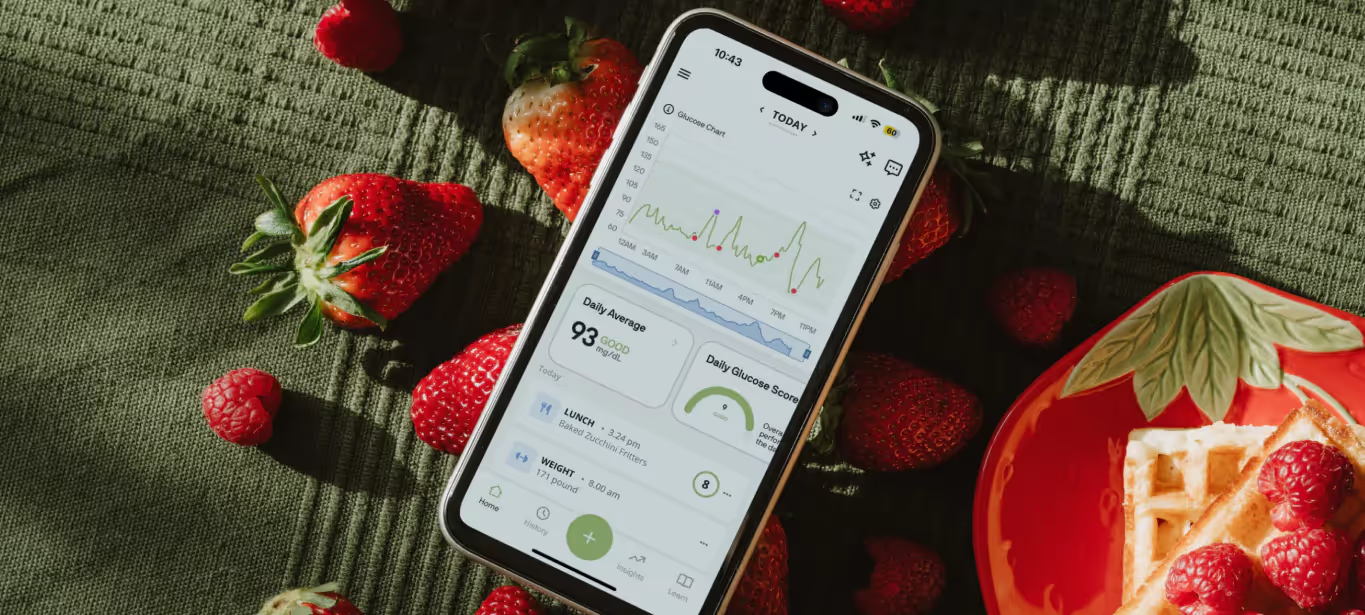
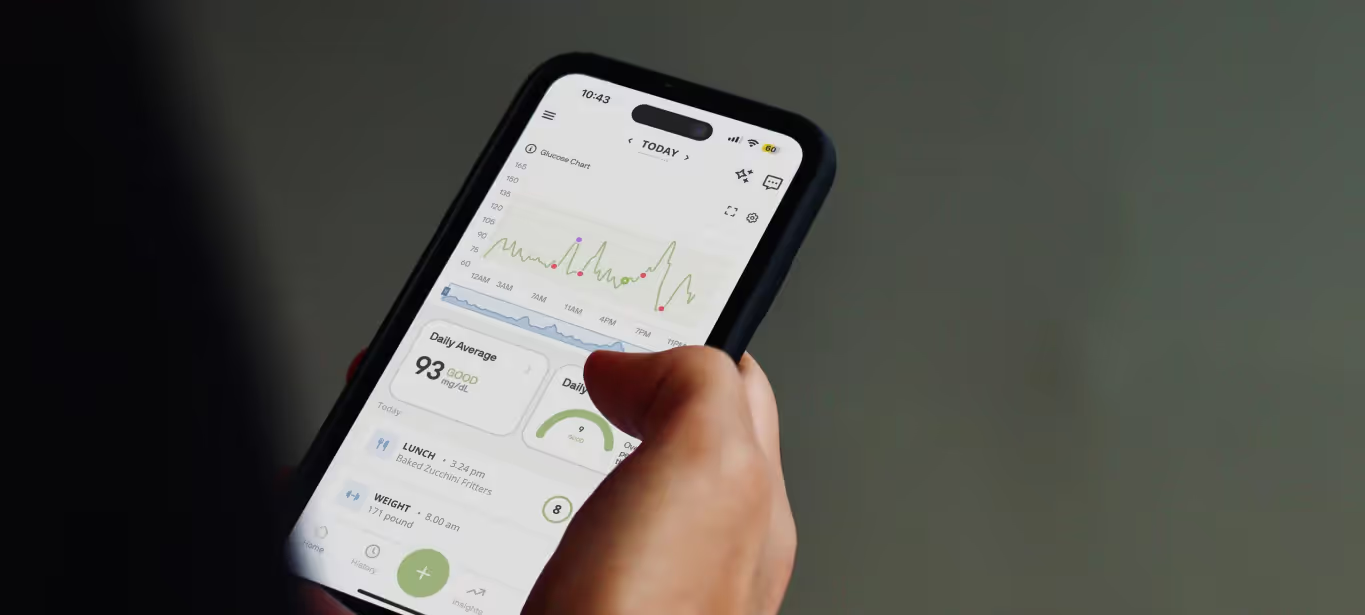
With the Nutrisense CGM Program, you can monitor your glucose with health tech like glucose biosensors and continuous glucose monitor (CGM)s, and analyze the trends over time with the Nutrisense App. This will help you make the most informed choices about the foods you consume and their impact on your health.
Find your best fit
Ready to take the first step? Start with our quiz to find the right Nutrisense program to help you take control.

Katie is a dietitian at Nutrisense. With over 11 years of experience as a dietitian in many areas of nutrition, Katie has worked as a clinical dietitian within a hospital, as well as in the fields of diabetes, sports and performance nutrition, recovery from addiction, and general wellness. She’s also an athlete and has run 8 marathons, including the Boston Marathon.
Break Your
Weight Loss Barrier
Download our FREE guide to find out:
- Reasons you’re not losing weight
- The role of blood glucose on weight loss
- Why you need a personalized approach
- Helpful tips from expert dietitians